The Architecture of Silence: Nordic Cabins Built for Contemplation
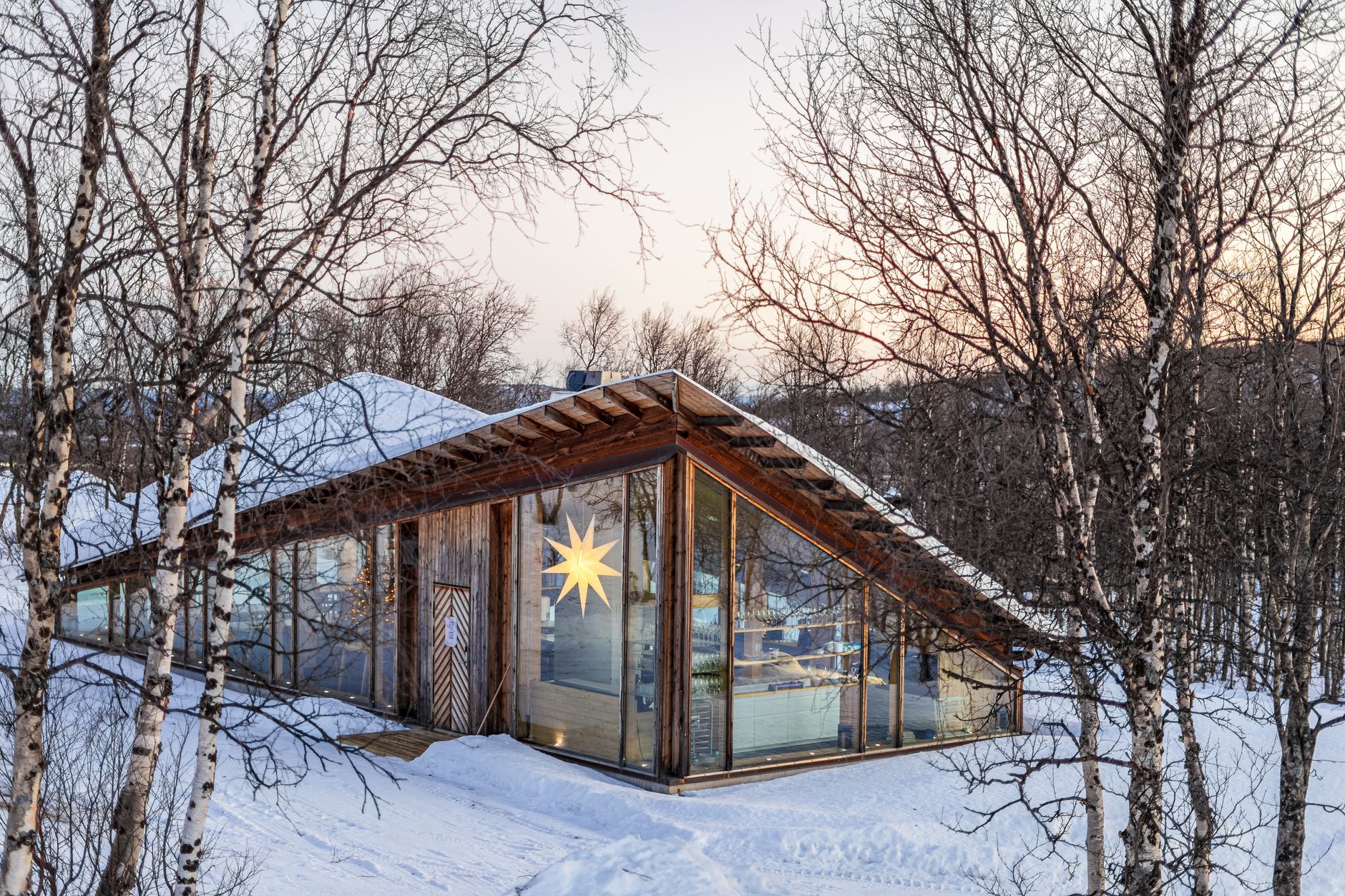
When winter descends upon the Troms region above the Arctic Circle, the world ceases to generate unnecessary noise. The sun hovers below the serrated horizon in an extended blue twilight, casting long cobalt shadows over fields of packed drift. In this landscape of sublime austerity, architecture cannot afford to be decorative; it must become an instrument of communion.
For centuries, the vernacular building methods of northern Scandinavia were shaped strictly by timber availability and harsh thermal realities. Today, a new wave of architects is stripping away modern synthetic insulation and return to local pine, untreated cedar, and monolithic granite bases.
"The role of a northern shelter is not to conquer the wilderness, but to provide a vantage point from which one can listen to the blizzard without terror."
Tactile Materials and Thermal Memory
In cabins such as those resting on the rocky outcrops of the Steigen Archipelago, window apertures are deliberate slits rather than continuous glass curtain walls. By framing specific views—a single glacier tongue, a sea eagle roosting on a driftwood trunk—the occupant's awareness becomes concentrated. Heat is preserved not solely through mechanical ventilation, but through dense soapstone stoves that radiate warmth long after the birch embers die down.
Walking inside these timber rooms, the smell of pine resin and beeswax grounds the senses. Time slows to the cadence of boiling snow on the hearth and the shifting color temperatures of the sky.
Enjoyed this dispatch?
Subscribe to receive our seasonal travel prints and physical monographs.
Join The Readership