Kyoto by Whisper: Discovering Century-Old Tea Pavilions
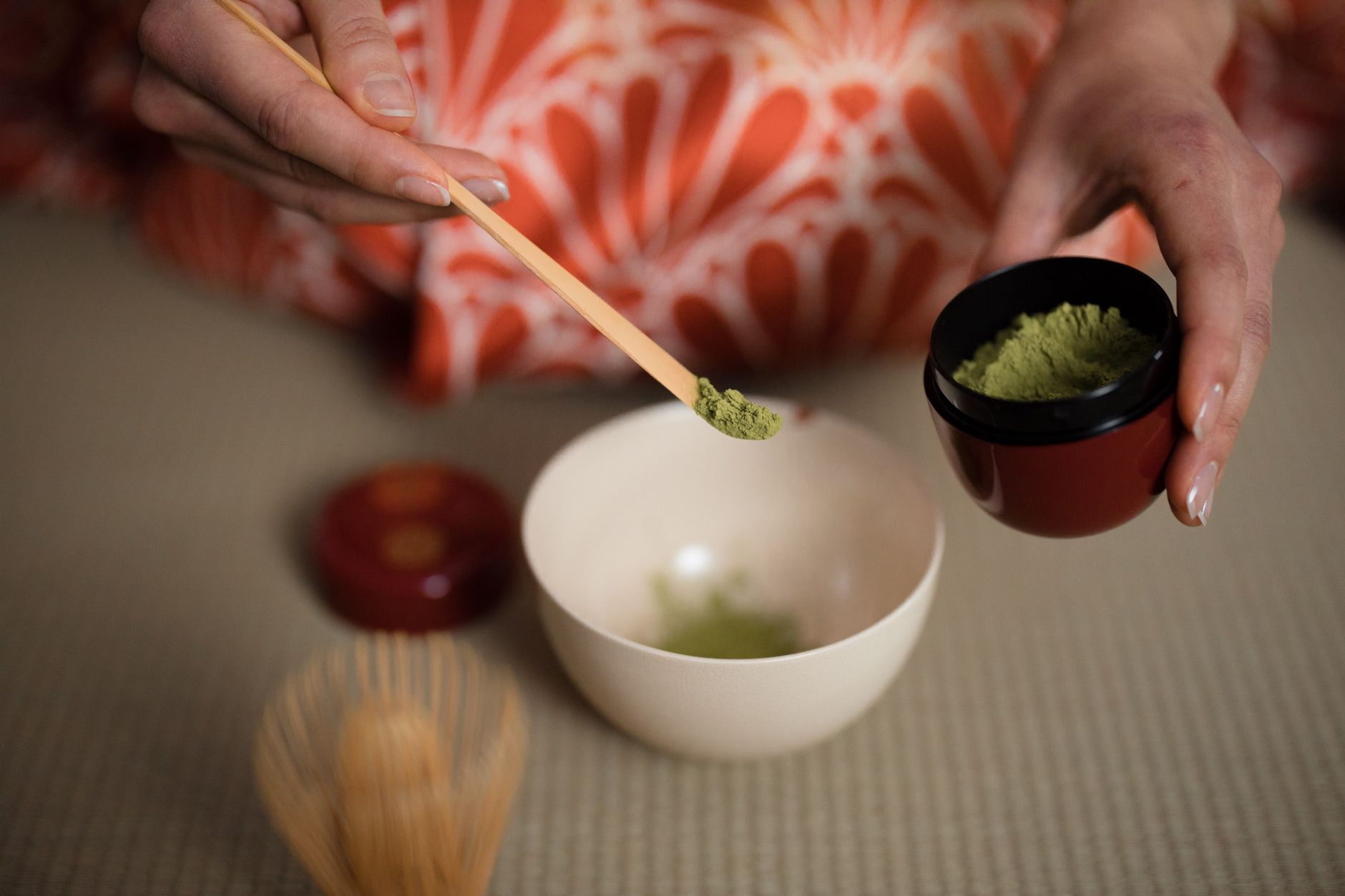
Past the humid throngs of Gion, up the moss-covered steps of Higashiyama, lies an older cadence of Kyoto. Here, behind weathered cedar gates and sliding shoji screens, the air smells of roasted barley and damp gravel. This is the realm of the chashitsu—the micro-architecture of the tea ceremony.
To step into a 400-year-old tea pavilion is to voluntarily relinquish the ego. The entrance door, known as the nijiriguchi, measures barely three feet high, forcing all entrants—from samurai generals of antiquity to modern travelers—to crawl on hands and knees, discarding pride at the threshold.
"In the small space of two tatami mats, the entire cosmos is summarized by boiling spring water, a solitary flower in a cracked vase, and steam."
The Art of Attunement
In the southern hills of Uji, eighth-generation tea growers shade the Camellia sinensis bushes under woven reed screens for three weeks prior to harvest. This starvation of direct sunlight forces the plant to concentrate its chlorophyll and amino acids, yielding the luminous jade hue and savory umami profile unique to ceremonial matcha.
Sitting with Master Hiroshi inside a pavilion overlooking a miniature gravel dry-landscape garden, the only audible presence is the iron kettle whistling like wind passing through pine needles. The beverage is rich, viscous, and astringent, grounding the spirit in the singular, fleeting present moment.
Plan Your Journey to Kyoto
Let our curatorial team craft an intimate cultural itinerary in Kansai.
Inquire with Us